
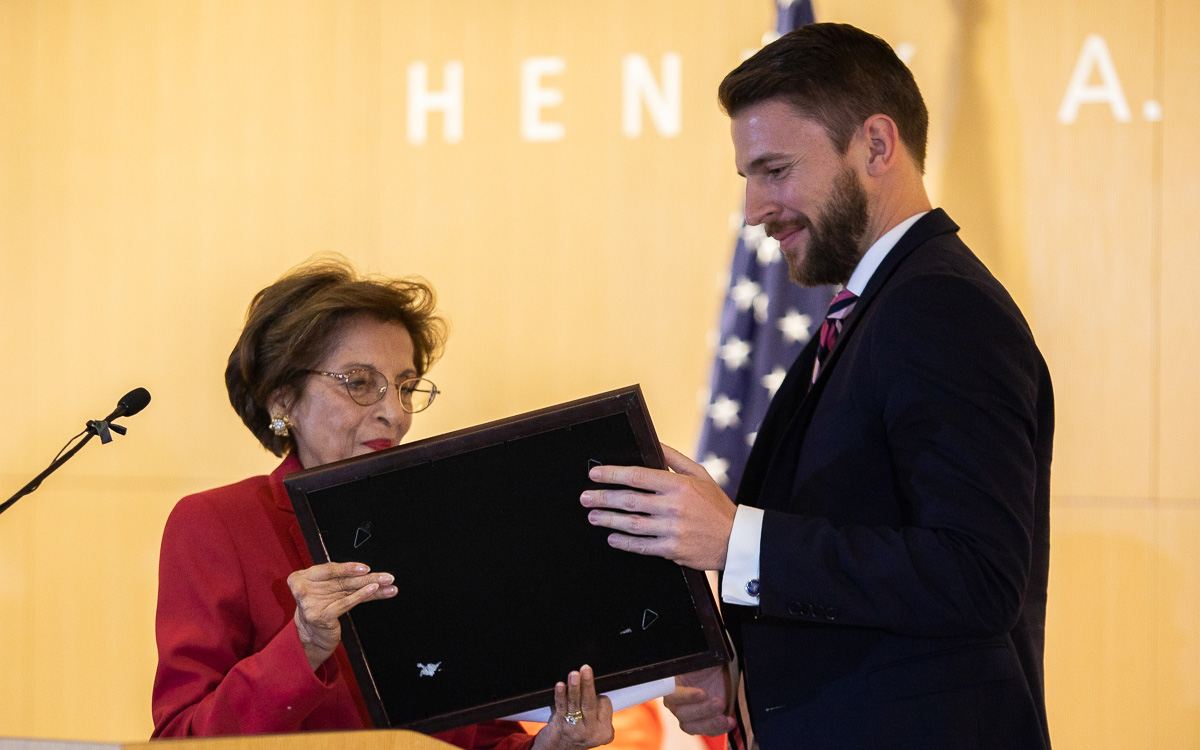
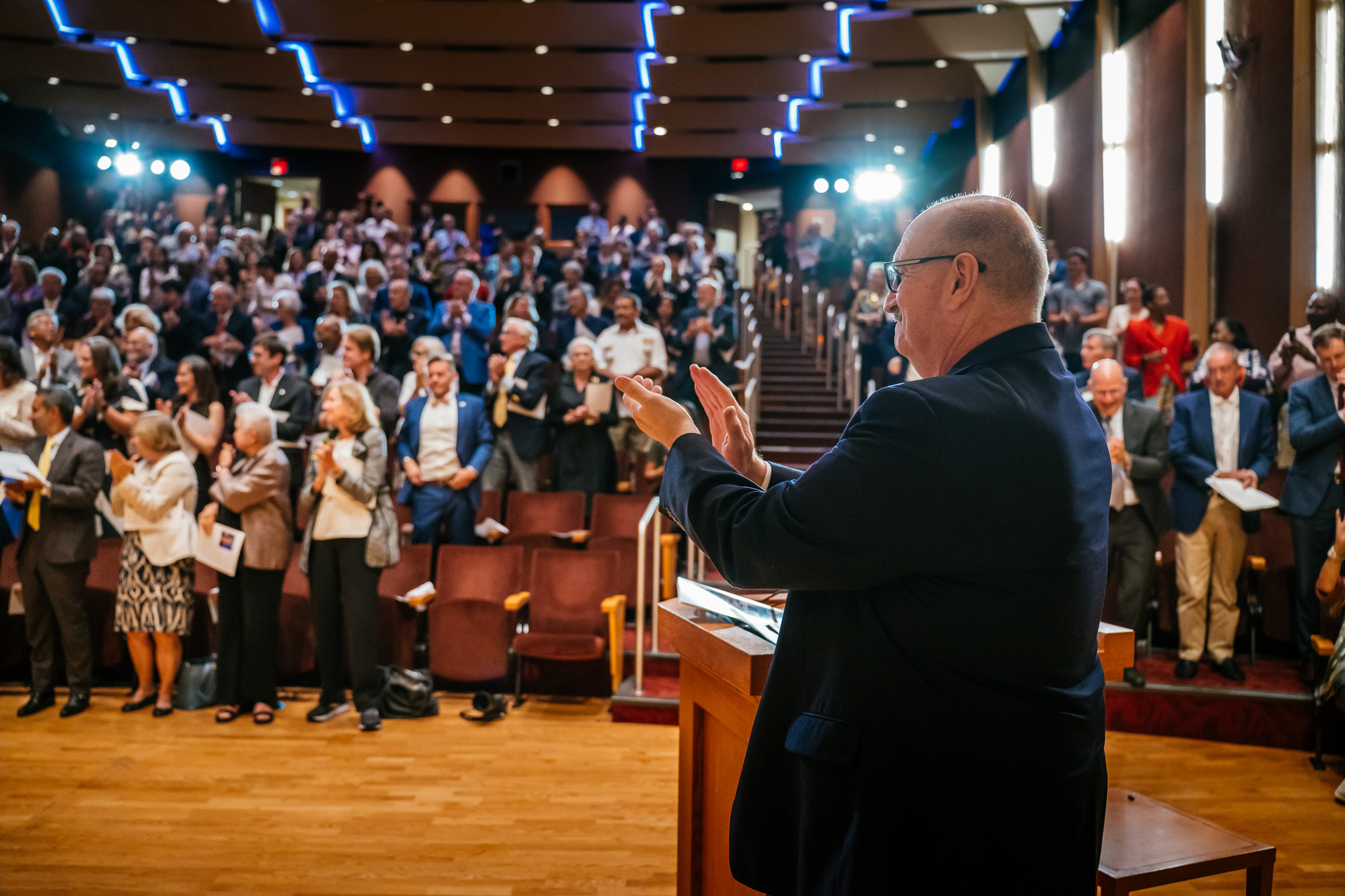
David Bargueño receives the Mark Palmer Award for the Advancement of Democracy from Dr. Sushma Palmer.
Did you know you can nominate a colleague?
You don’t have to wait for someone else to notice great work—you can be the one who does. If a colleague handled a tough posting with grace, took a professional risk to do the right thing, or made the people around them better at their jobs, AFSA wants to hear about it. And that colleague can be you: self-nominations are welcome for exemplary performance awards.
Every year, U.S. Foreign Service employees do things that don’t make the news: negotiate under pressure, keep an embassy running through a crisis, mentor the people coming up behind them, or simply do the job with more skill and integrity than anyone outside the building will ever know. AFSA’s Awards and Honors program exists to make sure that work doesn’t go unrecognized—regardless of rank or years of service.
Since 1968, AFSA has recognized achievement, exemplary performance, courage in the line of duty, and more, along with constructive dissent—speaking up through the right channels when it’s hardest to do so. Every year, dozens of Foreign Service colleagues are honored this way.
 §
§
Learn More About AFSA’s Awards Program
AFSA’s Constructive Dissent Awards recognize Foreign Service members who work constructively within the system to change policy and performance for the better. Such dissent may be made in any non-public channel including meetings, emails to superiors, memoranda, telegrams, or via the State Department's formal Dissent Channel. Thus, AFSA's Constructive Dissent Awards may be given to, but are not restricted to, employees who send in Dissent Channel messages. These awards are unique within the federal government, and remain the lynchpin of AFSA’s awards program. There is no democracy without dissent, and the U.S. Foreign Service must remain a leader in the encouragement of respectful yet provocative constructive dissent.
These six awards are meant to highlight the professionalism and spirit of service and volunteerism found within the Foreign Service community. These awards honor community liaison officers, office management specialists, family members, and AFSA post representatives for their important contributions at work, at home and in the community at large. We also honor (non-monetary) contributions to AFSA and those who have excelled in the advancement of democracy.
> Learn more about AFSA’s Exemplary Performance Awards here.
Each year, AFSA selects a truly inspiring and respected diplomat or public servant to receive our highest award for their contributions to the conduct and success of American diplomacy. The criteria call for a sustained commitment to the cause for a good portion of their professional lives; with a roster of previous winners ranging from President George H.W. Bush to Ambassador Nancy Powell and Ambassador Edward Perkins, there is no shortage of patriots and practitioners of diplomacy from whom to choose.
> Learn more about AFSA’s Award for Lifetime Contributions to American Diplomacy here.
AFSA’s Foreign Service Champions Award honors the accomplishments of influential non-career members of the foreign affairs community who have made meaningful contributions to diplomacy and the Foreign Service. AFSA established this award in 2021 to bring greater recognition to those who have demonstrably championed the Foreign Service’s critical role in U.S. foreign policy and have had an enduring and positive impact on the institution of the Foreign Service as well as the diplomatic profession.
> Learn more about AFSA’s Foreign Service Champions Award here.
The study of hard languages is an important part of any Foreign Service career. These awards celebrate those Foreign Service employees who have demonstrated the greatest facility and success in learning a hard or super hard language. Training may have taken place may have taken place at FSI, elsewhere, or individually, but must be documented by an official FSI proficiency test. The awards are made possible through a generous bequest from former FSO Mathilda W. Sinclaire.
Each year, AFSA honors the Foreign Service employee whose essay has been chosen as the best from among their cohort during the National Defense University graduation ceremonies.
> Learn more about AFSA’s AFSA Strategic Writing Award here.
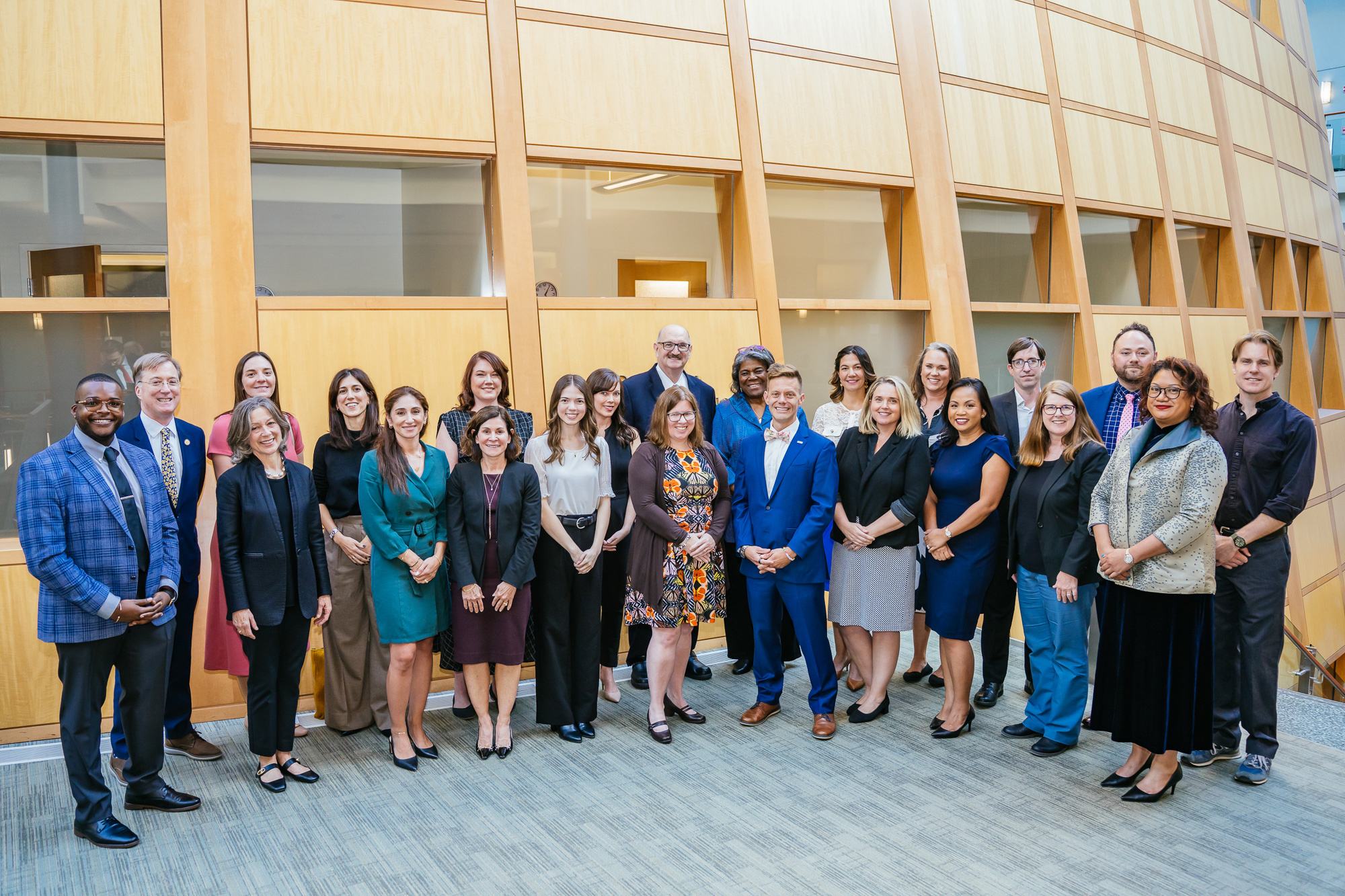
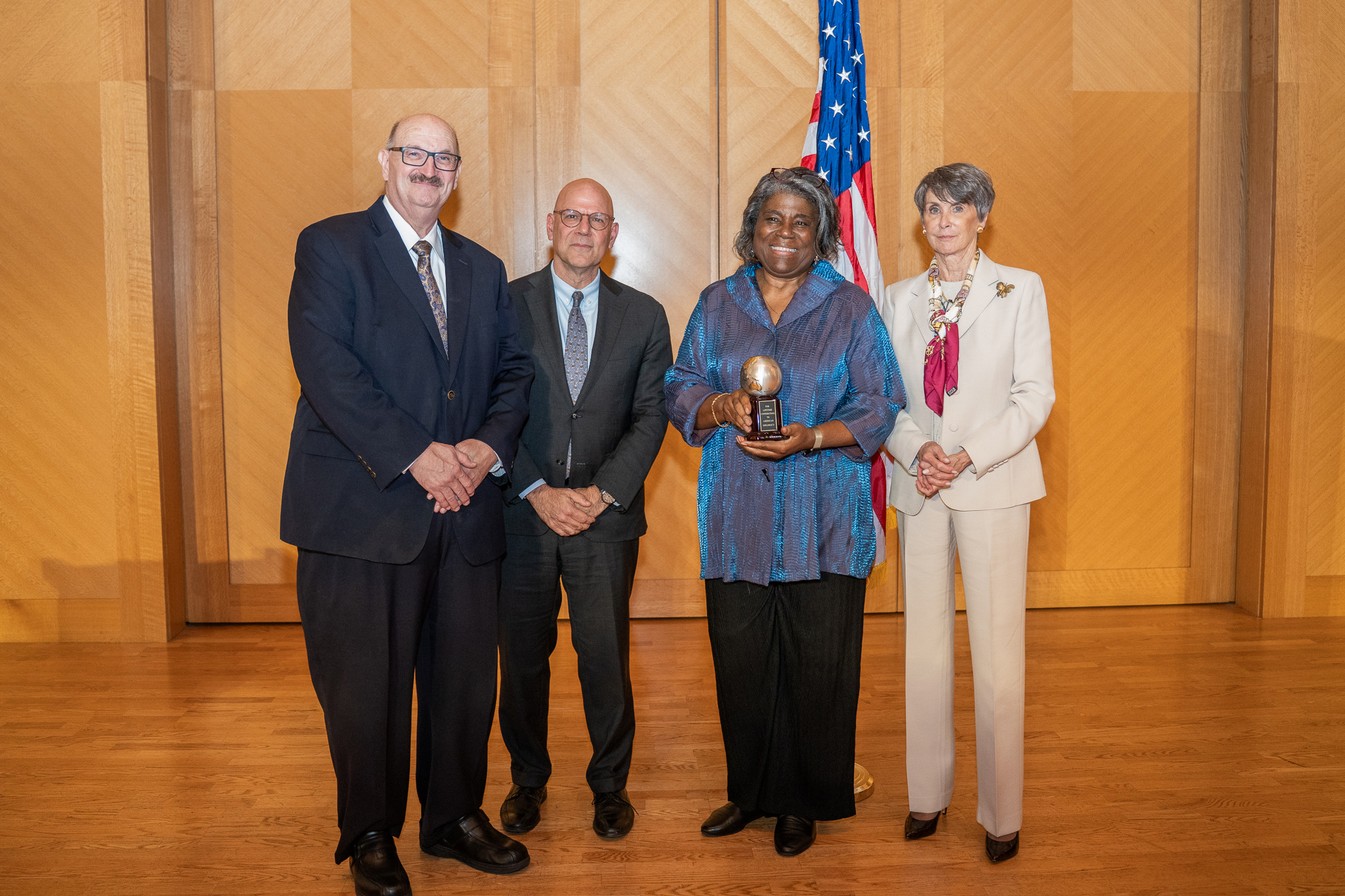
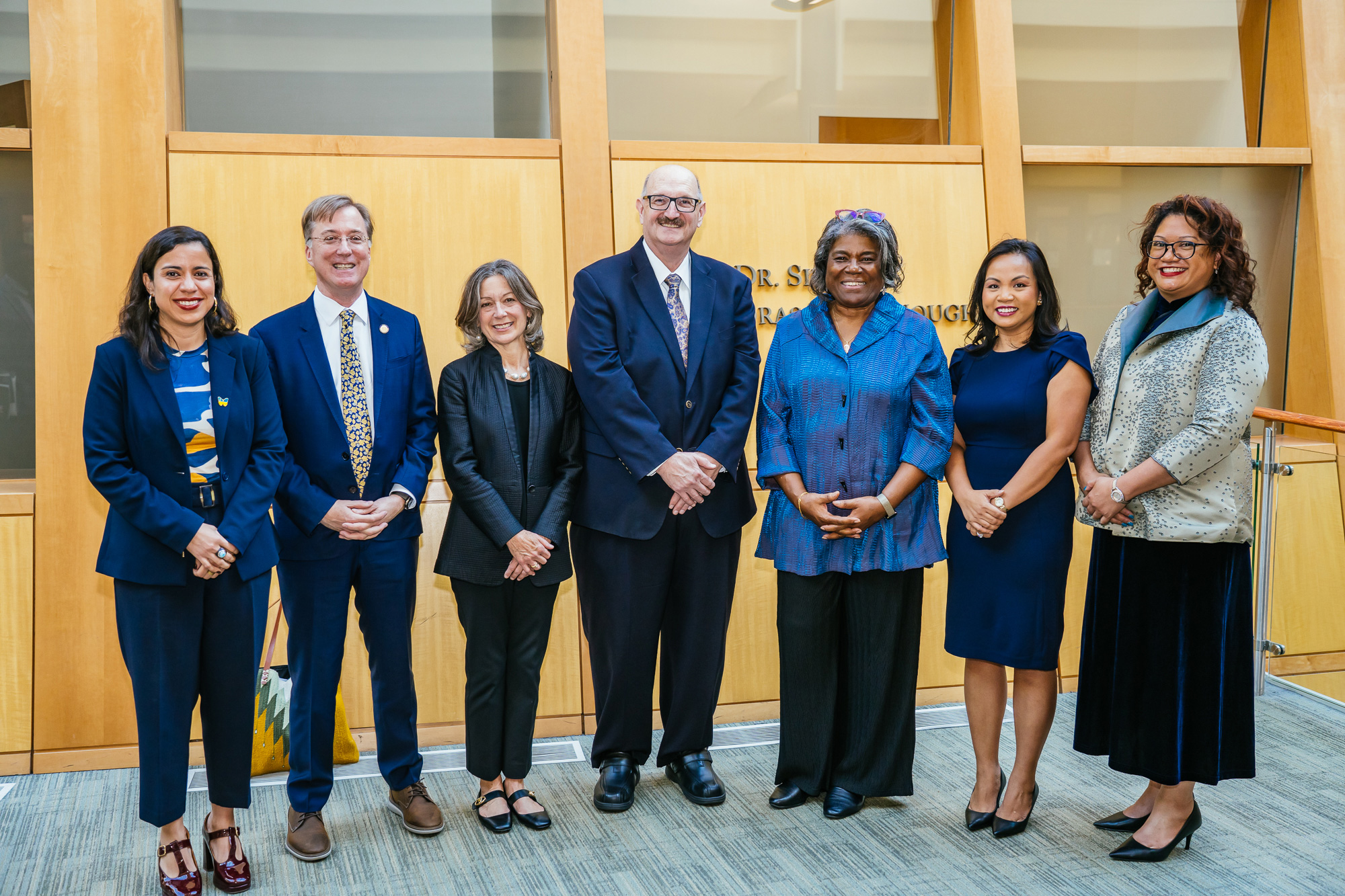
§From the 2025 Awards Ceremony
 §
§Meet the 2026 Award Recipients
Ambassador William J. “Bill” Burns
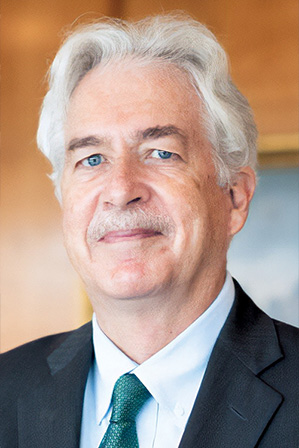
AFSA is pleased to announce that Ambassador William J. “Bill” Burns has been selected as the winner of its 32nd annual Lifetime Contributions to American Diplomacy Award. Amb. Burns was chosen for his contributions to American foreign policy over his three-decade career and dedication to strengthening the Foreign Service.
Amb. Burns is widely regarded by his colleagues as the finest Foreign Service officer of his generation; Secretary of State John Kerry once called him “a statesman cut from the same cloth, caliber, and contribution as George F. Kennan and Chip Bohlen.”
Amb. Burns joined the Foreign Service in 1982, and his remarkable 33-year career included service as under secretary of State for political affairs, executive secretary of the State Department, special assistant to the president and senior director for Near East and South Asian affairs on the National Security Council, ambassador to Jordan, and ambassador to Russia. His final Foreign Service position was as Deputy Secretary of State from 2011 to 2014; he was only the second serving career officer in history to hold that role.
Amb. Burns played a key role in some of the most important foreign policy issues of the last four decades. These included the end of the Cold War, the reunification of Germany, the quest for peace in the Middle East, the post-9/11 Global War on Terrorism, the 2003 U.S. invasion of Iraq, dealing with Russia under Vladimir Putin, and secret nuclear talks with Iran.
His lifetime contributions to American diplomacy were recognized by the Department of State with his promotion to the rank of career ambassador, the highest rank in the Foreign Service, in 2008. In 2021, he became the first career diplomat ever to be appointed director of the CIA. He is the recipient of numerous U.S. government awards--such as three Presidential Distinguished Service Awards and three Secretary’s Distinguished Service Awards-- foreign decorations, and honorary degrees. He was one of TIME magazine’s 100 Most Influential People in 2024, and on TIME’s list of Forty Most Promising Global Leaders Under Forty in 1994.
Upon initially retiring from government service in 2014, Burns went on to lead the Carnegie Endowment for International Peace, the oldest international affairs think tank in the United States. From that prestigious position, he spoke out regularly and eloquently against threats to the career Foreign Service during the first Trump administration.
His contributions to strengthening the career Foreign Service and the diplomatic profession include his career-long efforts to mentor hundreds of younger officers. During his six years as the highest-ranking FSO, while serving as under secretary of State for political affairs and then as Deputy Secretary of State, he met readily with AFSA presidents to discuss issues impacting the Foreign Service career. Most recently, he continued his advocacy with AFSA as spokesperson for its “Service Disrupted” campaign.
Amb. Burns currently serves as senior adviser for global affairs at Evercore. He earned a BA from LaSalle University and both an MA and a PhD from Oxford University, where he studied as a Marshall Scholar. He speaks Russian, Arabic, and French. Burns is the author of multiple books, including bestseller, The Back Channel: A Memoir of American Diplomacy and the Case for its Renewal.
He is married to Ambassador Lisa Carty and is the proud father of two grown daughters.
> Learn more about AFSA’s Award for Lifetime Contributions to American Diplomacy here.

Federal-Postal Coalition
AFSA is pleased to announce that the Federal-Postal Coalition has been selected as the winner of the 2026 Foreign Service Champions Award. The Coalition is being recognized for its advocacy on government-wide pay and benefit issues, which protects both active-duty and alumni members.
The Federal-Postal Coalition is a group of more than 30 organizations representing the interests of 2.7 million federal employees, 640,000 postal employees, and 2.6 million retirees in every congressional district. Along with other government unions and professional associations, AFSA is a longtime Coalition member, cosigning Coalition letters sent to Congress and participating in its monthly meetings and advocacy efforts.
Because most federal benefits apply to both the Civil Service and Foreign Service, Coalition advocacy directly benefits Foreign Service members and retirees. While AFSA has strong ties to the foreign affairs community on the Hill, the Coalition’s relationships on key congressional committees make it better positioned to address government-wide pay and benefit issues. The Coalition gives AFSA strength in numbers (Foreign Service employees and retirees make up less than 1 percent of federal employees and retirees) and a stronger voice on key issues such as:
- Defending against the government’s attempts to freeze or cut pay, and advocating for pay increases;
- Opposing detrimental changes to benefits, including increased healthcare premiums, the elimination of cost-of-living adjustments, and cuts to retiree pension benefits;
- Articulating how budget cuts, the politicization of merit-based federal jobs, and the outsourcing or privatization of federal services threaten federal workers and institutions.
> Learn more about AFSA’s Foreign Service Champions Award here.
Constructive Dissent Awards
Eric Burkett
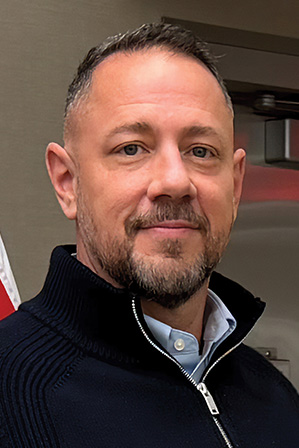
The F. Allen “Tex” Harris Award recognizes dissent by a Foreign Service specialist. Eric Burkett, a Diplomatic Technology officer, offered constructive, data-driven dissent that catalyzed the creation of the Diplomatic Technology Officer skill code and the Bureau of Diplomatic Technology (DT). These changes fundamentally modernized the Department of State’s technology workforce and strengthened its ability to execute mission-critical operations in the digital age.
For decades, the Bureau of Information Resource Management (IRM) faced chronic vacancies, low morale, high attrition, and structural rigidity rooted in a bifurcated skill-code system that separated information management specialists (IMS) and information management technical specialists (IMTS). This fragmentation constrained workforce mobility, distorted promotion pathways, and limited the department’s ability to deploy technical talent effectively to U.S. embassies and consulates worldwide. Government Accountability Office (GAO) reports repeatedly identified these vulnerabilities, yet structural reform remained elusive.
In 2020, recognizing the risks posed by these systemic deficiencies, Burkett submitted a comprehensive, data-driven white paper through the department’s Dissent Channel: “IRM Integrated Action Plan Proposal: An Argument for Modernization of IRM Staffing, From the Field.” His analysis demonstrated that a legacy personnel architecture designed for a pre-cloud, pre-cyber era could not meet the demands of 21st-century diplomatic technology.
Importantly, his dissent did more than critique: It presented a fully developed modernization blueprint. Burkett recommended unifying the IMS and IMTS tracks into a single integrated skill code, establishing equitable promotion pathways, modernizing recruitment pipelines—including veteran, eligible family member (EFM), and STEM-focused entry mechanisms—expanding conversion opportunities for existing talent, and aligning workforce policy with contemporary operational realities.
At the time he advanced his dissent, the leadership structure and promotion system he challenged controlled his own assignments and advancement prospects. As a mid-level Foreign Service specialist, formally questioning entrenched bureau policies carried credible professional risk. Colleagues cautioned that elevating such systemic criticism could jeopardize his career progression. Nevertheless, Burkett proceeded through official channels, elevating his recommendations to senior leadership in fidelity to the department’s tradition of constructive internal debate.
His recommendations and advocacy reshaped internal deliberations on IRM workforce design and directly enabled structural reform. In 2022, the department secured approval from the Office of Personnel Management to establish Skill Code 2885—Diplomatic Technology Officer (DTO)—formally merging the previously siloed IMS and IMTS tracks. The DTO construct institutionalized the core reforms articulated in Burkett’s dissent: integrated career progression, expanded technical breadth, cross-functional deployment flexibility, and modernized promotion standards.
By 2025, the creation of the DTO framework had paved the way for IRM’s transformation into the Bureau of Diplomatic Technology. Additional progress included equitable title alignments across embassies and consulates, division-level reorganization, and the formal renaming of IRM to reflect its modernized mission. These reforms addressed GAO’s longstanding call for an integrated action plan, strengthening operational agility, enhancing retention, and improving the department’s ability to deliver secure, reliable information services worldwide.
Burkett’s evidence-based dissent and advocacy translated field realities into enduring institutional reform that will shape the department’s technology workforce for a generation.
> Learn more about AFSA’s Constructive Dissent Awards here.
Exemplary Performance Awards
Greg Bauer
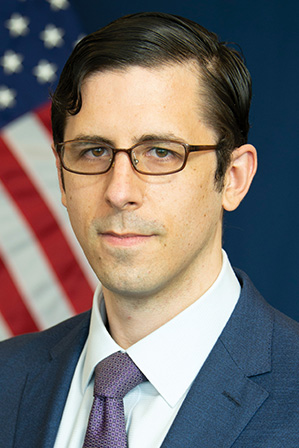
The Mark Palmer Award honors a member of the Foreign Service who promoted U.S. policies focused on advancing democracy, freedom, and governance. Initially as a human rights officer in Indonesia from 2020 to 2022, and then as democracy, human rights, and governance (DRG) lead for the Bureau of East Asian and Pacific Affairs (EAP) from 2022 to 2024, Greg Bauer transformed and re-energized EAP’s approach to advancing DRG priorities in the region, substantially contributing to the president’s Indo-Pacific Strategy and its first pillar establishing a “free and open” Indo-Pacific.
In Indonesia, the world’s third-largest democracy, Bauer encountered worrying trends of democratic backsliding, which he conveyed to Washington, D.C., through novel quantitative analysis combined with extensive qualitative interviewing. To curb these trends, he pursued innovative approaches to reinvigorate Indonesia’s democratic institutions. As the U.S. embassy’s lead for President Joe Biden’s first Summit for Democracy, Bauer overcame Indonesian skepticism to secure Indonesian President Joko Widodo’s participation as the first speaker in the plenary session hosted by President Biden. Concurrently, he secured Secretary of State Antony Blinken’s participation in Indonesia’s own Bali Democracy Forum, which occurred immediately before the Summit for Democracy, with the convergence of the two events intended to showcase an emerging alignment of the two nations’ democracy-promotion efforts.
Bauer also created a partnership with the national mosque to establish the first American Space in a mosque, now a key platform for promoting religious freedom and combating antisemitism in the world’s largest Muslim-majority country. Through public programming and private outreach, he helped generate momentum for the passage of an anti-sexual violence law and shaped implementing regulations for defamation laws to better safeguard free speech. He proposed and secured funding for a $1.5 million civilian harm mitigation project with the Indonesian military to help its forces prevent future human rights abuses. Bauer led diplomats posted in other regional democracies to successfully propose a $3 million project to combat foreign interference in elections, helping to improve information sharing among regional democracies facing similar threats from disinformation.
Looking to use his experience to support other human rights officers, Bauer subsequently served as the EAP Bureau’s overall coordinator for DRG issues. In this role, he continued his engagement with the Summit for Democracy, coordinating regional engagement for the second and third summits. For the second summit, he supported the Republic of Korea as co-host. For the third summit, Bauer worked with the White House on the decision to have Korea host the third summit and helped with the transition of hosting duties to Korea. Bauer also organized more than 280 individuals across the interagency working on regional DRG issues into a collaborative community called the EAP DRG Cohort. He secured buy-in from the entire cohort to create an annually updated DRG strategy to identify priorities for the region and for each country, which has helped coordinate hundreds of lines of effort and inform $250 million in foreign assistance. He hosted a three-day conference for 50 State and USAID officers from the cohort to discuss cooperation on issues ranging from transnational repression to the rights of marginalized populations. Bauer’s strategic direction and subject matter expertise galvanized officers in Washington, D.C., and the field, creating positive momentum on numerous initiatives, from helping establish a U.S.-ASEAN disability dialogue, to partnering with Australia on gender and LGBTQI+ issues, to proactively using sanctions and visa restrictions.
Bauer also led the bureau’s efforts to combat transnational criminals in Southeast Asia who run scam centers that have defrauded Americans of tens of billions of dollars and involved more than 400,000 scam workers, many of whom were trafficked. To improve coordination with the nations directly affected by these centers, Bauer developed and ran a weeklong joint U.S.-Singapore training for ASEAN member nations that connected regional officials with U.S. law enforcement to discuss methods to investigate, prosecute, and prevent trafficking related to these scam centers. He also worked closely with the interagency to coordinate tens of millions of dollars in foreign assistance to combat these operations, supported law enforcement actions with partners to seize and disrupt billions in illicit finances, and apply diplomatic pressure that led to crackdowns resulting in the release of tens of thousands of trafficking victims.
Bauer continues to address democracy, governance, and human rights issues in Southeast Asia as an analyst in the Bureau of Intelligence and Research, where he has been working since 2024.
> Learn more about AFSA’s Exemplary Performance Awards here.
Vicky Ward

The Delavan Award recognizes the work of a Foreign Service office management specialist (OMS) who has made a significant contribution to post or office effectiveness and morale, both within and beyond their job responsibilities. Vicky Ward strengthened morale and mission effectiveness at U.S. Consulate General Erbil by building systems that brought clarity, structure, and community to a small, high-threat post operating under extraordinary circumstances and sustained pressure.
At a post facing two ordered departures within one year, frequent leadership transitions, and a major compound move, Ward instinctively made social cohesion a daily priority. She created consistent opportunities for staff to connect—both formally and informally—ensuring employees across sections, agencies, and professions remained part of a unified mission community. She designed low-pressure engagement opportunities—karaoke, barbecues, going-away parties, bingo, trivia nights, and cook-offs—that brought a wide swath of colleagues with varied experiences together to reinforce shared purpose.
Ward was especially attentive to newcomers. She went out of her way to ensure new arrivals felt part of the team on day one through personal check-ins, facilitated introductions across the mission, and shared resources for support. Due to her warmth and intentionality, newcomers reported meaningful integration into the mission community and relief from the weight of the high-threat environment and the isolation of living on a confined compound. Ward’s genuine care for people created an environment where colleagues looked out for one another, making her indispensable.
Ward helped colleagues navigate the unique security environment of Consulate Erbil. She went out of her way to ensure they understood the requirements for high-level visits and had the right resources and contacts to succeed. Her work ensured that each visit was successful and, more importantly, safe, as the Islamic State group and other terrorist threats remain very active in Erbil. Through her work, Ward did not just manage processes—she built the human connections that made the mission work. Her leadership strengthened trust across the mission and reinforced a culture of mutual support that sustained colleagues through difficult periods.
Additionally, Ward improved and streamlined processes in ways that transformed how the mission worked. She leveraged technology to turn front office workflows into a structured, transparent system that simplified mission engagement with leadership. By centralizing scheduling and clearance processes, clearly defining roles, and reinforcing consistent expectations, she eliminated confusion and reduced last-minute tasking. This shift allowed colleagues to focus on strategic and substantive work. Her systems did not only improve efficiency—they reduced stress and gave people back time to do the work that mattered most.
Ward’s impact was particularly evident during the move to a new consulate compound. She identified critical gaps in workspace design, access procedures, and coordination mechanisms, then worked across offices to resolve them before move-in. Front office operations were immediately effective after the move, minimizing disruption and reinforcing confidence during a major transition.
During ordered departure, Ward advocated for transparent communication and organized complex information into accessible guidance. She volunteered her time to review initial ordered departure (OD) claims, ensuring colleagues would not be out significant amounts of money any longer than necessary. By reducing ambiguity, she alleviated stress and enabled the mission to navigate uncertainty with greater confidence.
> Learn more about AFSA’s Exemplary Performance Awards here.
Janessa Schilmoeller
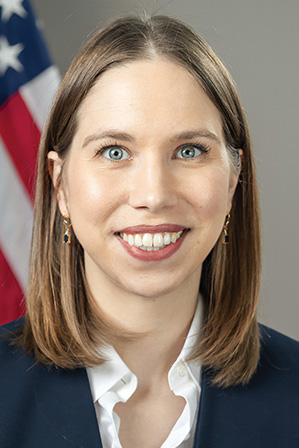
The M. Juanita Guess Award is conferred on a CLO coordinator who has demonstrated outstanding leadership, dedication, initiative, or imagination in assisting the families of Americans serving at an overseas post. Janessa Schilmoeller, Community Liaison Office coordinator at U.S. Embassy Riyadh, displayed extraordinary leadership, dedication, and courage when the Iran-Israel crisis began in March 2026 and during subsequent Authorized (AD) and Ordered (OD) Departures from Mission Saudi Arabia and the wider region.
On March 3, 2026, two unmanned autonomous vehicles (UAVs) struck Embassy Riyadh shortly after the outbreak of conflict in Iran. Consulate Dhahran was already under heightened threat. Within hours, Mission KSA transitioned first to AD and then to OD on March 8. In this environment of active threat, uncertainty, and real-time danger, Schilmoeller became the operational and emotional center of gravity for the community—and, in many respects, for an entire region.
In her role as Riyadh's CLO coordinator, Schilmoeller immediately engaged not only with her own community, but also with CLOs and families from Dhahran and Jeddah and with military personnel and their families. She provided calm, authoritative communication as the post executed “duck and cover” and “shelter in place” protocols and began to plan and launch evacuation flights.
Schilmoeller's work went far beyond any reasonable expectation of the CLO role to ensure nothing fell through the cracks. She created and managed flight manifests, for both people and pets, across multiple, rapidly changing charter flights on different days, and for multiple missions whose airspace was closed or whose personnel were under direct threat. U.S. government personnel and family members from Saudia Arabia, Kuwait, Bahrain, Qatar, and the United Arab Emirates, as well as Prince Sultan Air Base, all funneled through Riyadh for onward evacuation. Schilmoeller supported them all, without hesitation. In the end, she assisted 1,626 people.
Schilmoeller’s performance at the first post-attack Town Hall exemplifies why she stands out. While many were still in shock, she moderated the session, fielded questions, and answered with confidence and clarity, operating with professionalism and composure. Simultaneously, she responded accurately and promptly to information requests from the Global Community Liaison Office (GCLO), the Bureau of Near Eastern Affairs (NEA) and post leadership—demonstrating mastery of crisis management, communication, and coordination under pressure.
As evacuation flights began, Schilmoeller effectively became the central nervous system for regional communication. She maintained a steady stream of clear, concise guidance on evolving requirements, deadlines, and options. She tracked individual needs, including health conditions, special circumstances, and pets. When a busload of Dhahran evacuees arrived in Riyadh to find their flight delayed, she quickly secured a place for them to rest and ensured the children had toys—small gestures that had a profound impact on morale. In another case, she worked tirelessly to resolve a last-minute limitation on pets, ensuring that a family who had driven 12 hours overnight with two animals could board their charter flight with their pets, relieving a major source of distress.
Schilmoeller consistently put the community’s well-being ahead of her own. Even after being moved to OD status herself, Schilmoeller was “seemingly everywhere at all times,” checking on families, answering questions, and updating manifests up to the moment of her own departure. Once she landed in Washington, she immediately went back online and resumed support, often at all hours of day and night, for evacuees spread across safe-haven locations and for staff still at post.
Crisis management and security is only one of the CLO’s eight areas of responsibility, yet Schilmoeller has continued, even post-evacuation, to model excellence in all eight areas for a community now scattered across continents. She keeps evacuees and those still at post informed with location-specific updates, while maintaining the sense of connection, care, and morale that is the heart of the CLO program.
> Learn more about AFSA’s Exemplary Performance Awards here.
Mary Millburn
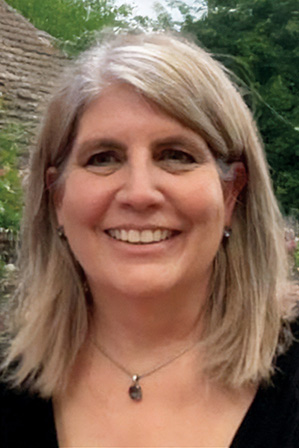
The Avis Bohlen Award honors the accomplishments of a family member of a Foreign Service member whose relations with the U.S. and foreign communities at post have meaningfully advanced the interests of the United States. As Juba, South Sudan, teetered on the brink of economic collapse and full-fledged civil war, Mary Millburn recognized the critical needs of orphaned children at risk of being left behind. In her free time, despite significant challenges, Millburn ensured these vulnerable children would have safe housing, adequate nutrition, and basic health care. Rather than seeking quick fixes, she designed a sustainable program that will benefit the children for years to come and serve as a model to be replicated across the country.
Understanding that scarcity and inconsistent donations posed the greatest threat to the children’s welfare, Millburn drew on her personal experience managing farms in Kentucky and Arkansas to create food security through agricultural innovation. She developed a comprehensive agricultural program, providing breeding goats and training the children and staff in proper animal care, doubling the herd in less than a year. She enlisted fellow embassy staff to build a chicken coop for egg production and designed rabbit hutches. Together with goat meat and milk, these animals now provide a steady protein supply. Millburn also established a vegetable garden and planted fruit trees from seeds, actively engaging the children throughout the process. Under her leadership, the children and orphanage staff created an integrated farm ecosystem and gained essential life skills while establishing a reliable source of nutritious food—a critical win in a country where more than 75 percent of the population faces food insecurity.
Millburn went beyond providing animals and infrastructure—she built sustainable capacity by teaching animal husbandry and educating the children and caretakers on fundamental farming practices, including crop rotation and pest control. She mobilized other mission members to teach sewing and crafts, construct shade structures, and arrange donations. Her efforts created a flourishing community where children see tangible results from their work and take pride in acquiring skills they will use throughout their lives.
These children represent South Sudan’s future. Thanks to Millburn’s strategic vision and dedication, they face brighter prospects despite ongoing hardships. In a country riddled with violence and poverty, where the situation of the most vulnerable children seemed hopeless, Millburn demonstrated the best of U.S. ingenuity and advanced U.S. interests through compassionate action. Millburn’s actions are lasting testament to U.S. values and the impact one person can have when they dedicate themselves to serving others.
> Learn more about AFSA’s Exemplary Performance Awards here.
Morton Dworken Jr.
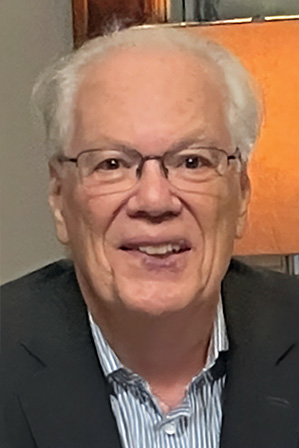
The “Contributions to the Association” award each year recognizes a member who has made a significant (nonmonetary) contribution to AFSA in its role either as a professional association of practitioners of diplomacy, or its role as a labor union representing Foreign Service members. Morton Dworken Jr. has been an indefatigable supporter of AFSA through his steadfast commitment and dedication to our biannual elections process. He has served on the AFSA Committee on Elections for six terms thus far, including service as committee chair for two terms. No individual has had more experience with the byzantine, cumbersome, and involved process that is an AFSA Governing Board election.
The integrity of AFSA’s elections is critical for our organizational success. Having a duly and properly elected Board allows AFSA to represent its members and speak confidently on their behalf. In past years, AFSA’s elections have had irregularities, but since Mort came on board, those have vanished. His steady hand, wise counsel, wry sense of humor, and ability to educate and work with new committee members have played a significant role in this success. He has been a priceless source of institutional knowledge and useful suggestions for improvements. Dworken’s service over successive terms has provided grounded leadership, ensuring the committee doesn’t have to start anew every two years. Simply stated: Without Mort Dworken, managing AFSA’s elections would be a much heavier and more challenging lift.
AFSA owes Dworken a debt of gratitude for his willingness to work on this often difficult and contentious issue. Given how important fair elections are to AFSA, his contributions cannot be overstated.
> Learn more about AFSA’s Exemplary Performance Awards here.
These awards recognize members of the Foreign Service community whose work falls outside AFSA’s existing award categories, but is deemed worthy of special recognition by the Awards Committee.
Charlee Doom

From February through late 2025, former USAID Foreign Service Officer Charlee Doom demonstrated extraordinary initiative and courage in challenging actions taken by the Department of State and USAID that placed Foreign Service personnel and their families at serious medical and financial risk during a period of institutional disruption.
Amid the dismantling of USAID, medical evacuation support and related benefits were abruptly curtailed. Despite clear medical need while serving overseas, a member of Doom’s family was denied support under shifting and unclear authorities. Rather than accept this determination, she questioned the legal and policy basis for the decisions, pressing for clarity on what authorities were being applied—and where they were not. In an environment where leadership asserted that policy did not require accommodation, she identified a more fundamental issue: Decisions were being made inconsistently, without grounding in established policy, with severe consequences for vulnerable personnel and their family members. When challenged, the flawed policy justifications were often set aside, and decisions overturned. Recognizing a broader systemic failure, Doom expanded her efforts beyond her own case. She organized and led a rapidly growing cohort of affected colleagues, including pregnant officers, postpartum parents, and employees facing cancer and other serious health conditions. What began as a small group evolved into a network representing more than 150 Foreign Service personnel and family members across overseas and domestic assignments. The scale and structure of this effort—coordinating affected personnel across two agencies and translating individual cases into sustained, cross-agency action—is highly unusual in the Foreign Service and underscores both the scope of the failure and the impact of her response.
As an FS-2 officer without formal authority over policy or personnel decisions, Doom nevertheless compelled senior leadership at both USAID and DOS to consider and change decisions affecting vulnerable personnel. It is rare for a mid-level officer to influence outcomes simultaneously across USAID and DOS; Charlee’s actions did so at scale. She employed disciplined, constructive advocacy: direct engagement with senior leadership, coordinated across affected personnel, and targeted escalation to congressional stakeholders. She elevated structured case summaries that made the real human and operational consequences impossible to ignore, while proposing workable solutions and creating a de facto process where none existed.
Her sustained efforts directly led to decisions to issue multiple rounds of compassionate extensions affecting both USAID and State personnel. In 2025, State exercised discretionary authority to issue these extensions, including two tranches covering USAID officers and their families and a subsequent tranche covering DOS personnel facing similar medical vulnerabilities. These actions preserved healthcare coverage at critical moments, including for those in the final weeks of pregnancy and those undergoing treatment for life-threatening conditions. Absent these interventions, many would have lost coverage during periods of acute medical risk, with potentially catastrophic consequences.
Doom’s challenge of State and USAID leadership is particularly notable given the broader operating environment. During this period, policies were often cited as limiting action, yet in practice were applied inconsistently or not at all. She challenged not only specific decisions, but the premise that they were policy-bound, grounding her arguments in both policy interpretation and the department's stated commitment to the safety and dignity of its workforce.
Doom undertook this work at significant personal and professional risk. She challenged decisions across agencies, elevated concerns beyond immediate chains of command when necessary, and persisted despite resistance and uncertainty. Her advocacy prompted formal administrative scrutiny through an Employee Labor Relations inquiry in May 2025 that included potential disciplinary consequences, up to and including immediate separation from service—yet even under review, she did not retreat from raising legitimate concerns. At all times, she remained focused on improving outcomes within the system, demonstrating that dissent, when exercised constructively, strengthens rather than undermines institutional integrity. Even after her separation from service, she continued to shape outcomes—providing strategic guidance, coordinating congressional engagement, and sustaining pressure that reinforced equitable treatment.
Leslie Fenton

When the State Department issued reduction-in-force notices to 246 Foreign Service officers on July 11, 2025, Leslie Fenton did not wait for instructions or institutional direction. She built the infrastructure that helped her colleagues to survive—professionally, legally, and personally—and in doing so, she strengthened AFSA’s mission as the voice of the Foreign Service at the moment it mattered most.
In spring 2025, as the department froze assignments and placed scores of officers in administrative limbo with no clarity on their futures, Fenton created the “FSOs in Limbo” community—a peer network that quickly grew to hundreds of members. When the RIF notices arrived that July, she established a second community, “RIF'd FSOs,” which became the primary organizing forum for the 246 affected Foreign Service members and their families. These were not casual social media groups. Fenton designed them as operational platforms: structured, moderated spaces where displaced diplomats could share real-time legal guidance, coordinate collective advocacy, compare administrative notices for errors, and support one another through the disorientation of losing careers they had devoted decades to building.
The impact on AFSA’s institutional mission was direct and measurable. As AFSA pursued litigation against the department's RIF actions—ultimately securing a temporary restraining order on December 4, 2025, and a preliminary injunction on December 17, 2025—Fenton's communities served as the primary channel through which affected members received updates, understood their legal options, and made informed decisions about joining legal efforts. When AFSA needed declarations from affected officers to support its court filings, Fenton's networks mobilized responses rapidly. When members needed to understand the implications of Section 120 of the Continuing Resolution or the status of MSPB appeals, Fenton’s communities provided the forum where AFSA’s guidance reached the people who needed it most. She became, in effect, a force multiplier for AFSA’s advocacy—extending the association’s reach into a population that was scattered, scared, and cut off from institutional channels.
Fenton's contribution extended beyond logistics to something harder to quantify but equally essential: preserving the professional identity and solidarity of the Foreign Service community at a moment when the institution itself seemed intent on erasing it. Through Fenton's communities, participants could connect with legal counsel and understand their rights at a moment when the Department offered nothing. However, the impact went beyond logistics. Colleagues who had served in war zones and managed evacuations described feeling more lost than at any point in their careers—and these groups gave them a place to be heard and to rediscover that their service still mattered.
Fenton filled a gap that no other actor could fill at the speed and scale required. AFSA was fighting in courtrooms and on Capitol Hill. Individual officers were drowning in confusion and grief. Fenton built the bridge between the two. She gave AFSA a mobilized, informed membership base at precisely the moment the Association needed collective strength to prevail in litigation, and she gave displaced officers a reason to stay engaged with their professional community rather than retreat into isolation. In a period when the administration had stripped AFSA's collective bargaining rights and halted dues collection, Fenton's communities reminded hundreds of Foreign Service professionals that belonging to something larger than themselves still mattered.
Fenton took on this work at personal risk, during a period when organizing collectively invited retaliation from an administration hostile to dissent. She did it without title, compensation, or institutional backing. She did it because she saw colleagues in need and possessed both the professional skills and the moral clarity to act. The communities she built did not just help people endure a crisis. They helped the Foreign Service endure as a profession.
Our USAID Community (OUC)

The shuttering of USAID in 2025 spurred the creation of several groups to push back on the administration’s illegal dismantling of the agency and vilification of its staff around the world. Some of these groups focused on protesting the shutdown, others on lobbying Congress for legislation to support the agency’s reinstatement, and others on supporting the legal fights in Federal court and before the Merit System Protection Board (MSPB). While all these groups and participants are deserving of recognition, one group stands out for its membership reach, breadth of services, and commitment to the ideals of USAID: Our USAID Community (OUC).
OUC was formed in the early days of the USAID shut down. Its founders came together to support each other, staff, and the wider community as they experienced the traumatic effects of the Trump administration’s efforts to dehumanize, vilify, and dispense with a work force of more than 10,000 employees worldwide. Initially concentrating on gathering and synthesizing efforts on all legal fronts, OUC quickly recognized a need to provide more support to employees who could not afford to hire private counsel. This effort went beyond supporting career and noncareer Foreign Service members to include Civil Service employees, personal service contractors, institutional support contractors, and Foreign Service national staff. With a board representing these various communities, OUC quickly created a resource depository to support people with questions on reductions in force, retirement, grievances, and a detailed lawsuit tracker of all the legal efforts challenging the administration. Membership now cuts across hiring communities and is fast approaching 3,000.
OUC efforts have also extended to providing career transition referrals, mental health resources, and legal guidance/support for individual members who filed pro se with cases before the MSPB. Their efforts to support pro se files are especially noteworthy. They have established a network of pro bono attorneys to assist pro se filers, created various templates and a library of resources, and worked with AFSA and other groups to host webinars to support employees. They also have established a legal defense fund to support pro se filers and others to defer their legals costs as they fight their terminations.
Lastly, it is important to recognize that the board and leadership of this group are all voluntary. Many are working on OUC efforts 100 percent of the time—such is their dedication to the mission and goals of OUC. It is a testament to their belief in the mission of USAID that they are continuing that work now here in the United States in support of former colleagues regardless of the hiring mechanism under which the employee was originally hired. They have become the go-to group for information and support; many other USAID support groups rely on OUC for information, leadership, communication to a wider audience, and coordination of efforts.
As OUC continues responding to challenges that persist from the past year and a half, it intends to continue engaging and empowering the community to work together to advocate for and offer solutions to rebuild and ensure a nonpartisan, merit-based foreign assistance workforce that works for all.
> Learn more about AFSA’s Exemplary Performance Awards here.
§AFSA Memorial Plaques
AFSA is proud to maintain the memorial plaques in the Department of State’s C Street lobby, which honor our colleagues who gave their lives in circumstances distinctive to their overseas service.
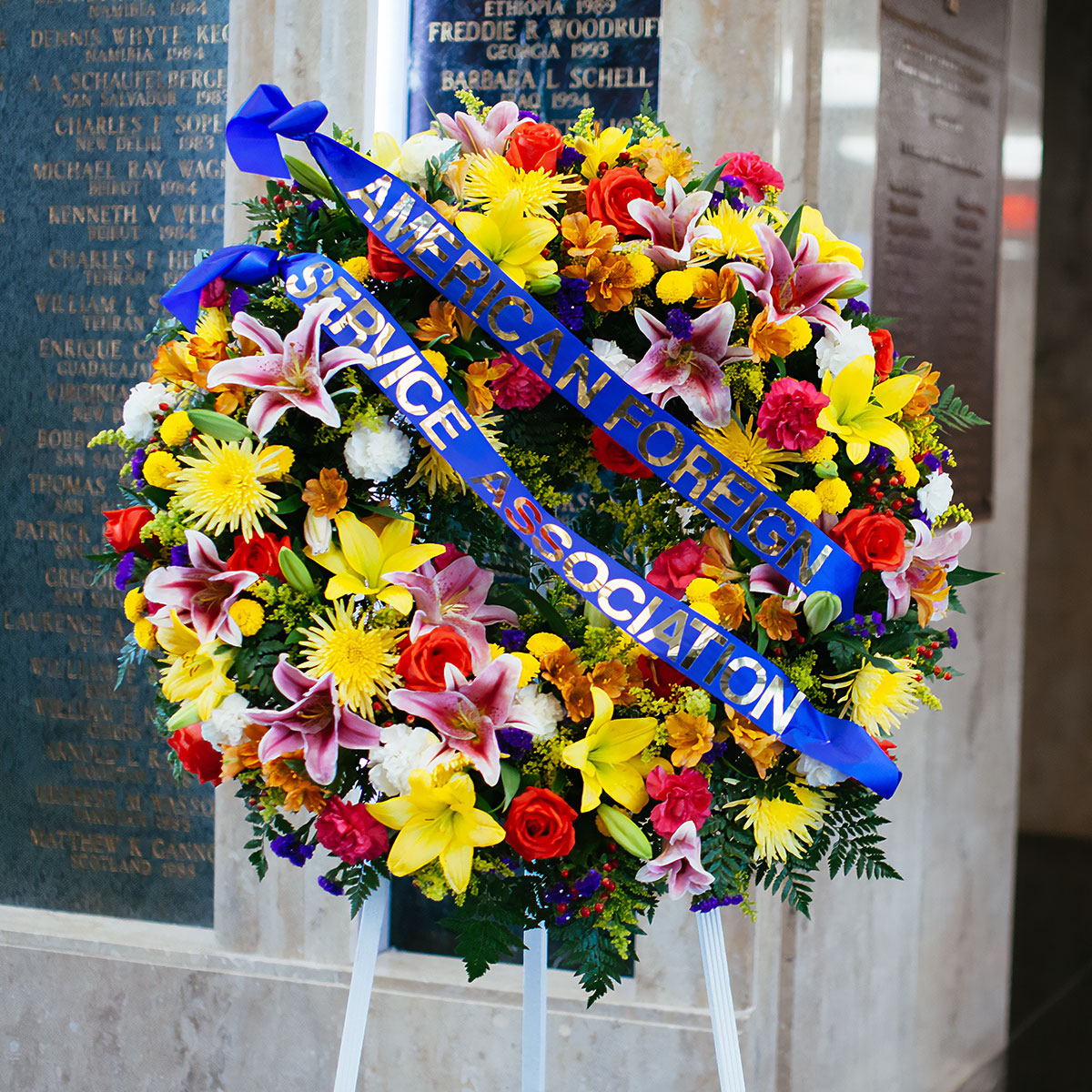
To nominate a colleague for inscription on the AFSA Memorial Plaque, click here. Prior to nominating, please carefully review the criteria and FAQ linked above.
§Contact Us!
For queries regarding AFSA awards or memorial plaques, please email awards@afsa.org.