Reflections
BY FREDA WHITE-HENRY

A view of the thatched huts along the coast of Toliara, Madagascar.
ELENA268 / DREAMSTIME.COM
Bang! Bang! Bang! Very early one morning as I slept in our tiny wooden cabin, isolated on the shores of the Toliara Lagoon in Madagascar, I was awakened by someone frantically pounding on the front door. Cries of “Ma’am, Ma’am,” followed by an incomprehensible shower of words, catapulted me out of bed.
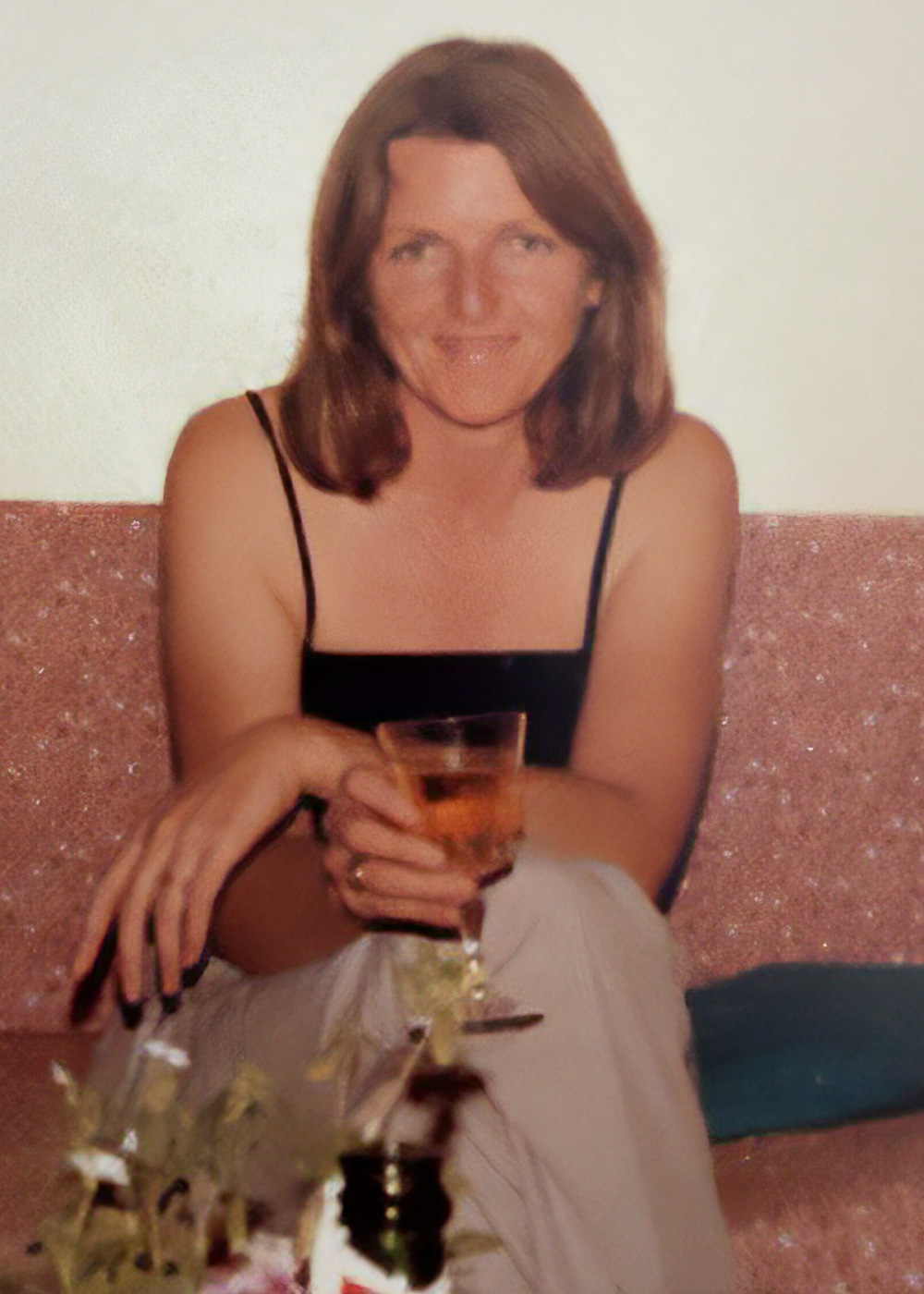
Freda White-Henry
COURTESY OF ANJELA WHITE-HENRY
It was Notee, a fisherman and our cabin guardian, whom we paid to take care of the many issues that cropped up at our small house. He lived with his wife and young son in a circular thatched hut nearby. There was no mistaking, despite our mutual incomprehension: This was an emergency.
Grabbing a wrap, I raced after him, across the sand to his hut, where I ducked down to follow him in. There on the sandy floor lay his wife, Arwa, writhing in pain.
We knew Arwa was pregnant. My husband had agreed to drive her to the hospital when she needed to go, but he had already left for work that morning. I was alone. It was too late for Notee to undertake the perilous 20-kilometer journey to the Toliara hospital in his oxen-drawn cart.
From what little I understood of Notee’s words, I knew he wanted me to take charge of Arwa while he went to the neighboring village, by oxen cart, in search of the village midwife. I ran back to the cabin to gather a pile of towels and my sewing scissors, just in case.
They needed to be sterilized if I were to cut the umbilical cord. I lit the gas burner, put water in a saucepan, and dropped the scissors in, but almost immediately Notee was back again at the door, motioning for me to return. I grabbed the towels and the scissors and raced back to the hut.
Arwa was now howling in pain. I had no experience delivering babies—a fact I couldn’t have shared with Notee even if I had wanted to—but had seen a program about the Lamaze method of childbirth several years before.
I knelt down beside her. “Everything is going to be all right,” I said, smiling as calmly as I could, and demonstrated breathing as the instructors had done in that long-ago video.
“Breathe in,” I said, taking a deep breath through the nose, followed by “out,” releasing the breath by mouth. I smiled again, breathing in and out with her, while laying my hand on her abdomen, pushing gently with the “out” breath. When she had calmed down and was breathing rhythmically, I got up, took a towel, propped up her legs, and laid the towel on the sand beneath her.
I was shocked to see the baby’s crown was already appearing. I continued to call, in rhythm: “Breathe in, breathe out, push.” She relaxed as much as possible and gained confidence, as I did. I worked with her until the baby’s head popped out, but it was slightly turned on one side with one shoulder appearing first. The other seemed to be stuck.
There was no mistaking, despite our mutual incomprehension: This was an emergency.
I wiped the baby’s face, terrified it would not breathe. “Push,” I repeated, over and over, as I tried to lift the baby a little to free the second shoulder. Arwa breathed and pushed as I held the baby’s head off the towel. After an interminable amount of time, the baby slipped gently out of the birth canal. A little girl. She didn’t utter a sound.
Concerned about the baby’s breathing, I took her heels between my fingers as I had seen in the movies and held her upside down to gently smack her buttocks. She howled, opening her mouth wide. I was both relieved and delighted.
I gently wiped her little body and wrapped her up in a clean, fresh towel. I then pulled on the umbilical cord, still attached to the mother, so I could place the baby close to her mother. I laid the baby down on the mother’s abdomen and smiled at the peaceful scene.
After a while I searched for the scissors and unwrapped the baby. I thought it best to leave more rather than less of the cord. I cut it, leaving a foot of cord attached to the baby. I wrapped her anew. The newly born baby settled comfortably, snuggling with her mother. All was quiet except for the gentle crashing of waves on the beach.
Sometime later I heard the creaking of the oxen cart outside. In came a dignified, matronly woman, accompanied by her assistant. I bowed to her, as was the custom. She smiled on seeing mother and baby together. I tried to demonstrate that I had cut the umbilical cord about a foot from the baby’s abdomen.
She nodded and recut the cord with my scissors, knotting it expertly.
Since I had delivered the child, I was given a banana leaf, brought by the father to collect the placenta. It came simply with a little push. I collected the placenta, wrapped it in a leaf, and gave it to Notee, who buried the package in the sea.
All was now well with mother and child. With the completion of the traditional practices following birth, I was free to leave.
Every weekend thereafter, Notee knocked on our cabin door and presented us with a delicious, freshly cooked lobster, served on a tinplate. He often came to the cabin in the evening to sing and play on his homemade violin.
He continued to accompany us on sailing and fishing trips in our traditional outrigger sailing canoe, even offering me his paddle, a prized possession, when our tour in Madagascar was coming to an end.
What a magnificent time it was!
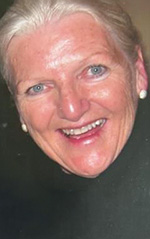
Freda White-Henry served as a USAID Foreign Service officer from 1990 to 1998, with one posting in Mali, where she oversaw education and human resources development programs. Her pre–Foreign Service teaching and consulting work in Madagascar, Cameroon, the Central African Republic, and Nigeria laid the foundation for later service in Mali and informed her broader approach to international development. White-Henry passed away in November 2025; this story was shared by her sister, Anjela.
When sharing or linking to FSJ articles online, which we welcome and encourage, please be sure to cite the magazine (The Foreign Service Journal) and the month and year of publication. Please check the permissions page for further details.